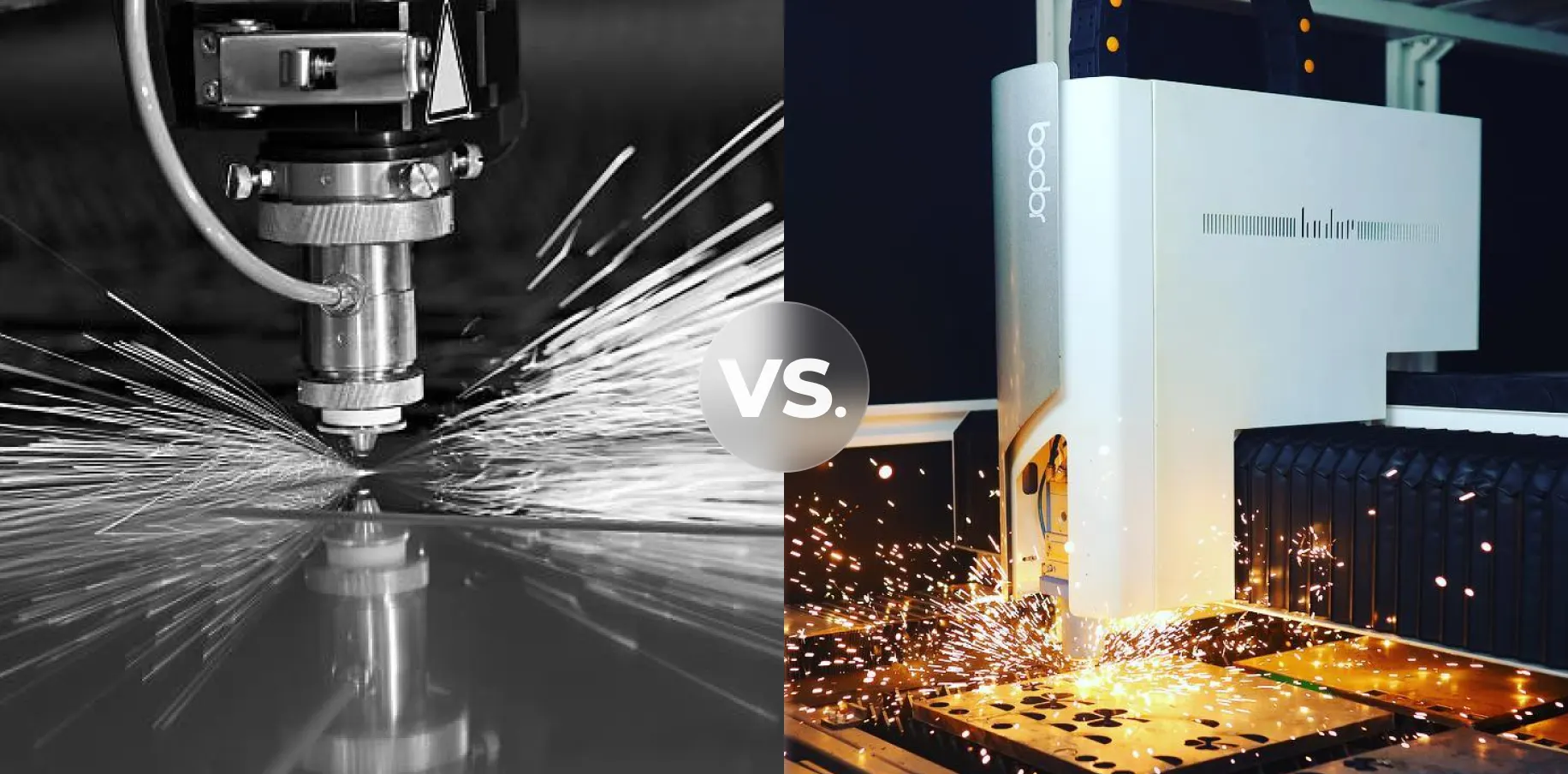
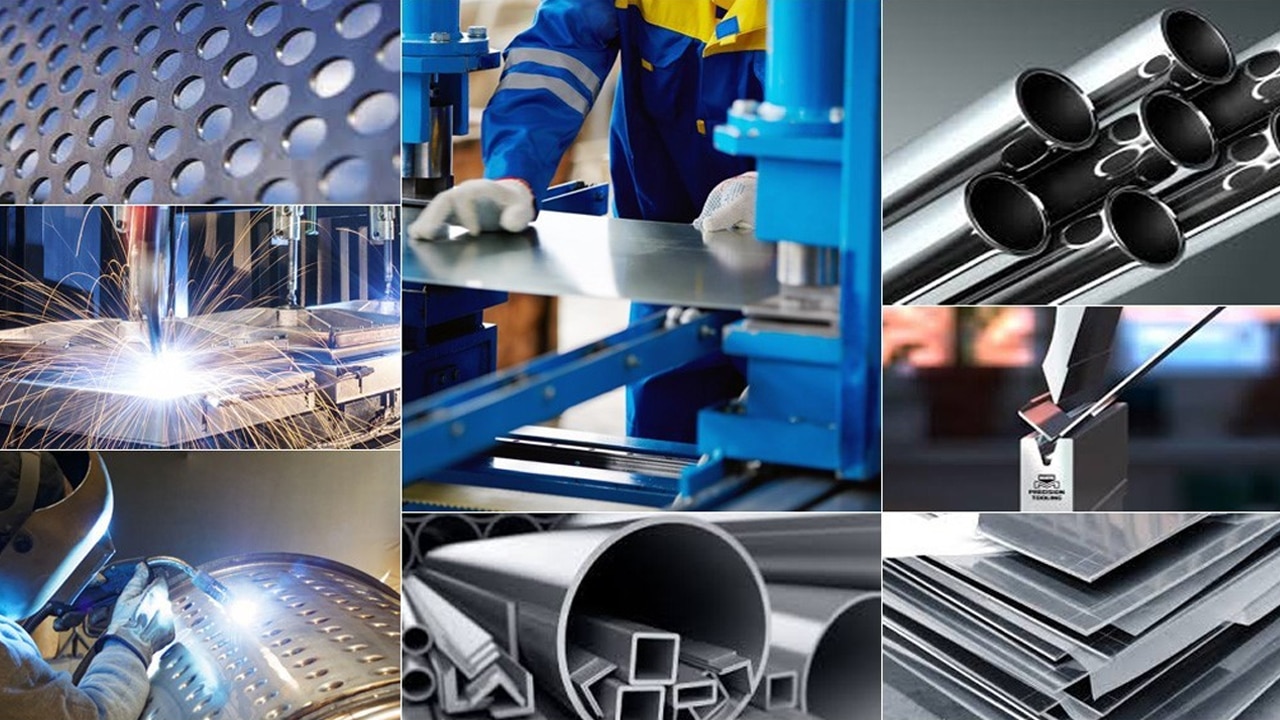
In the world of modern metal fabrication, choosing the right cutting technology is essential for speed, precision, and production efficiency. Two of the most widely used technologies are Fiber Laser Cutting and CO2 Laser Cutting. At Hepta Engineering, we provide advanced CNC laser cutting services to ensure our clients get the highest accuracy and the best finish—no matter the project size.
In this detailed comparison, we’ll break down how both technologies work, their advantages, and which one is better for today’s manufacturing trends.
⭐ Understanding the Basics: How Each Laser Works
🔹 CO2 Laser Cutting
CO2 lasers use a gas mixture (mainly CO2) to generate a beam. This beam is directed through mirrors before it reaches the material.
Traditionally, CO2 lasers were the industry favorite because of their versatility and smooth edge quality, especially for non-metals.
🔹 Fiber Laser Cutting
Fiber lasers use optical fibers and diodes to generate a strong, focused laser beam. This beam travels through fiber cables directly to the cutting head, making it more efficient and powerful.
Modern industries prefer fiber laser cutting because it delivers faster cuts, lower operating costs, and excellent precision—especially on metals.
⭐ CNC Laser Cutting Working: What Makes Fiber Laser Faster?
With CNC laser cutting working, a computer controls the cutting path with extreme accuracy. Fiber lasers integrate seamlessly with CNC systems, allowing:
This automation makes fiber laser cutting ideal for industries needing precision, repeatability, and clean finishing.
⭐ Fiber Laser vs CO2 Laser: A Feature-by-Feature Comparison
✔️ 1. Cutting Speed
Fiber Laser: 3–5x faster for thin metals
CO2 Laser: Slower, especially on stainless steel & aluminum
Winner: Fiber Laser Cutting
✔️ 2. Operating Cost
Fiber Laser: Low maintenance, low power consumption
CO2 Laser: Expensive maintenance (mirrors, lenses, gas tubes)
Winner: Fiber Laser Cutting
✔️ 3. Material Compatibility
Fiber Laser: Best for metals (SS, MS, aluminum, brass)
CO2 Laser: Better for wood, acrylic, leather, and plastics
Winner: Depends on material
But for metal fabrication → Fiber Laser
✔️ 4. Edge Quality
CO2 Laser: Smoother edges in non-metals
Fiber Laser: Sharp, clean edges in metals with minimal burrs
Winner: Tie (Based on material type)
✔️ 5. Technology Trend
The global industry is shifting toward fiber lasers due to:
Most modern manufacturing companies, including Hepta Engineering, now prefer fiber laser cutting for metal projects.
Winner: Fiber Laser Cutting – Future-Proof Technology
⭐ So, Which Cutting Technology Is Best?
If your business requires precision metal cutting, higher speed, and cost efficiency, Fiber Laser Cutting is the clear winner.
But if you work with wood, acrylic, or non-metals, CO2 lasers still have their place.
At Hepta Engineering, our state-of-the-art CNC laser cutting services ensure you get:
Whether you need bulk production or custom parts, our experts are here to help.